Receiving goods in a kitchen: shortages, damage and claims
Anything not recorded during unloading becomes the kitchen's loss. Here are the three outcomes of receiving, and the confusion that matters most — why damaged goods are a claim against the supplier, not a write-off.
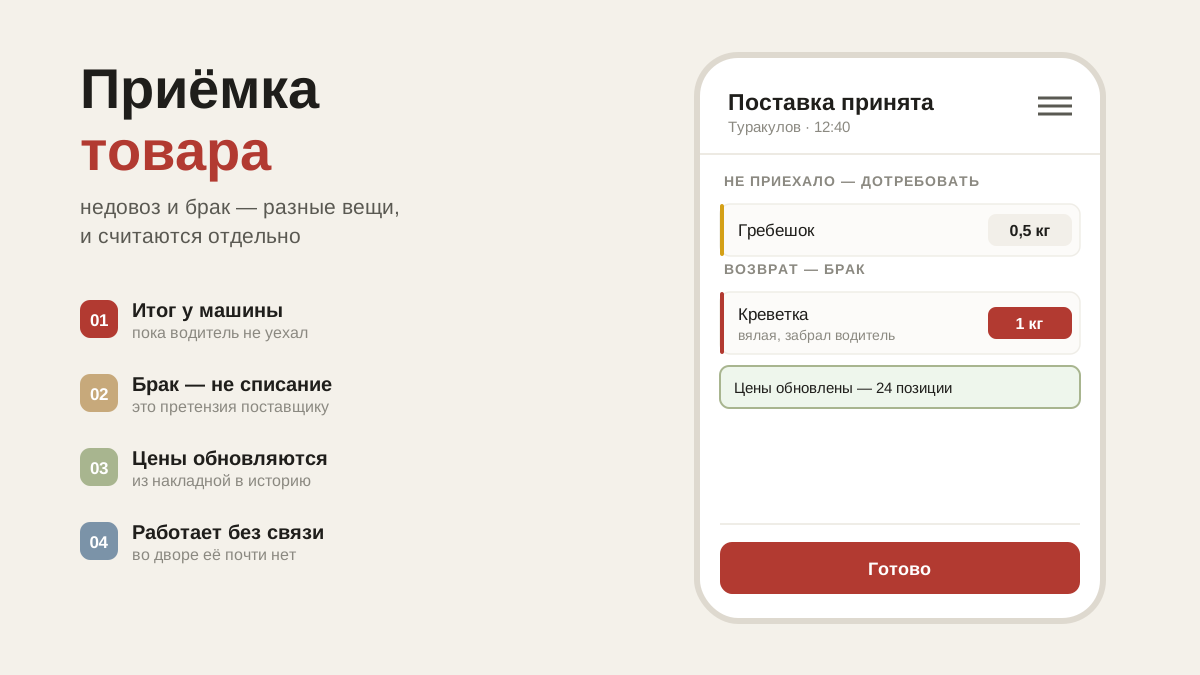
Why receiving is about money, not paperwork
The van arrives at seven in the morning, the driver is in a hurry, there is one cook and his stock is coming to the boil. The delivery note is signed without opening the crates. Two hours later it turns out the salad leaves came in limp, the potatoes are two kilos short, and the crème fraîche wasn't delivered at all.
What follows is an argument without evidence. The supplier says everything was fine, the kitchen says it wasn't. The kitchen loses: the signature is there.
Receiving is the moment when it is decided who pays for spoiled goods. Anything not recorded during unloading automatically becomes your loss.
Three outcomes, not two
Receiving usually gets reduced to "it came or it didn't". In fact there are three outcomes, and confusing them is expensive.
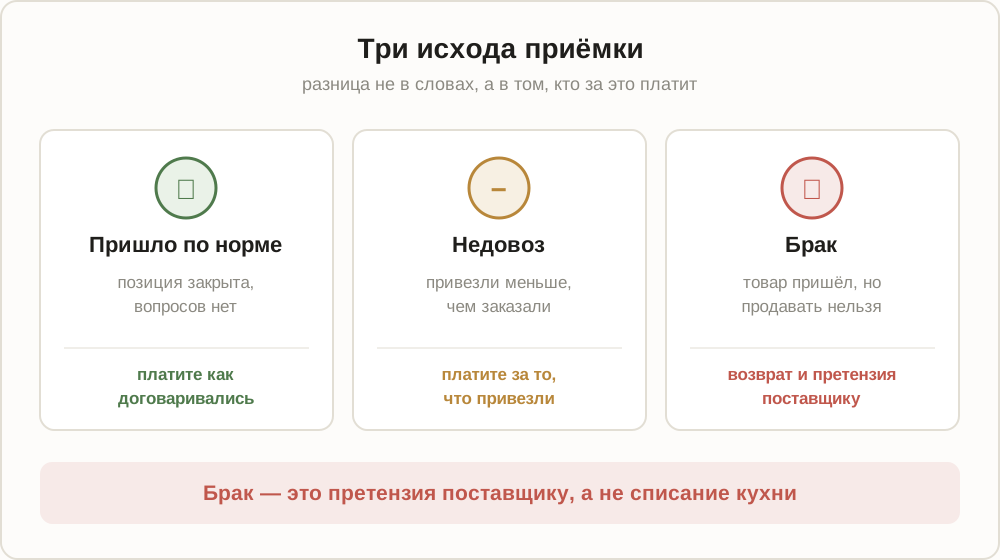
The main confusion is between damage and a write-off. A write-off is when goods spoiled on your side: they sat too long, were forgotten, didn't get used in time. Damage is when goods arrived unusable already. That is different money and a different conversation.
Damage is not your loss, it is a claim against the supplier. If you file damage as write-offs, you pay for someone else's goods — and on top of that you can't see which supplier keeps bringing them.
In artelFood, damaged goods are deducted from the delivery and recorded as a return — which means they go into that supplier's statistics. Three months later you can see, not from memory but from figures, which of your two greengrocers brings limp salad every other time.
What it looks like when receiving
You open the delivery and go through the items. Each one shows how much was ordered and a field for the quantity that actually arrived.
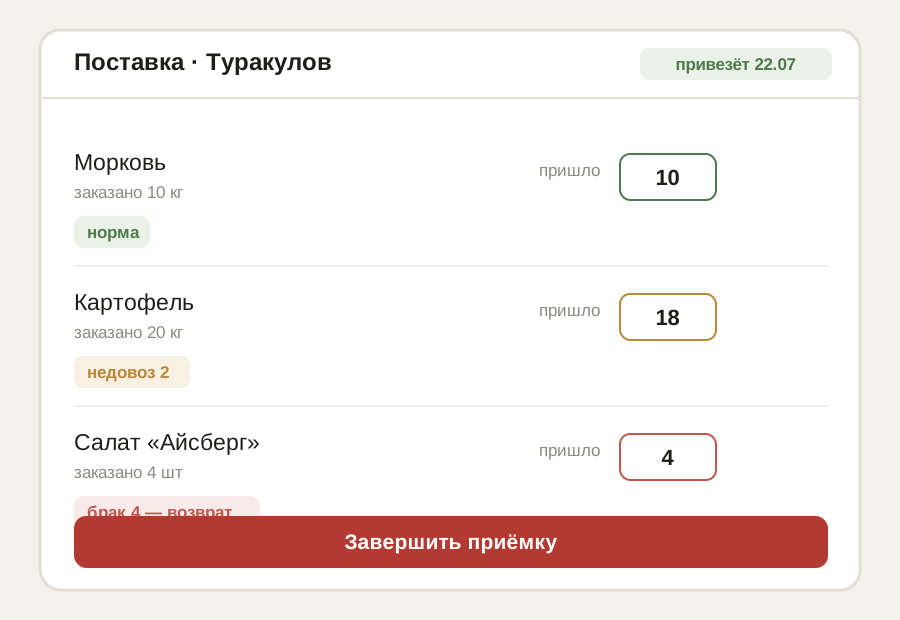
Record exactly what you see: it came in full, less was delivered, or the goods are unusable. Not "roughly" and not "we'll sort it out later" — later nobody sorts anything out.
Until the supplier confirms the order, the delivery is marked in red: "awaiting confirmation". If he replies through the app, the delivery window is there too: "expect it between 12:00 and 16:00". Empty means he didn't name a time, and that is worth knowing as well.
You know in advance what won't arrive
The most valuable part of receiving is what happens before it. When a supplier has marked on his side that an item won't be coming, or will be short, a red line appears on the delivery card: "not coming: Carrots · short: Potatoes (5 of 10)". The notification goes to the whole team.
The difference is simple: you can find out that the carrots aren't coming in the evening — and rework the menu calmly. Or at seven in the morning during unloading, when prep has already started.
If an argument happens anyway
Every order has its own message thread: messages stay attached to that delivery. A month later you can see what was agreed and on which order exactly — no scrolling through six months of a general chat.
A claim about damage also stays in the system rather than in somebody's memory. That changes the tone of the conversation: what's discussed is not "it seems to me" but specific items in a specific delivery.
Common questions
They delivered something other than what was ordered. Record it as a shortage against the item you ordered. A substituted product is a separate conversation with the supplier, and it should stay in the order's message thread.
The damage was found later, around lunchtime. Record it when you found it. If the item is already closed, write in the thread for that delivery: the claim will be tied to the order and the date.
The supplier isn't in the app. Receiving works as usual — the records and the statistics are yours. He simply won't see them on his side, and messages won't reach him.
What's next
Once you have statistics on several suppliers, it becomes clear who is worth keeping and who is worth replacing. That's the subject of suppliers and the shared database.